CBT-I
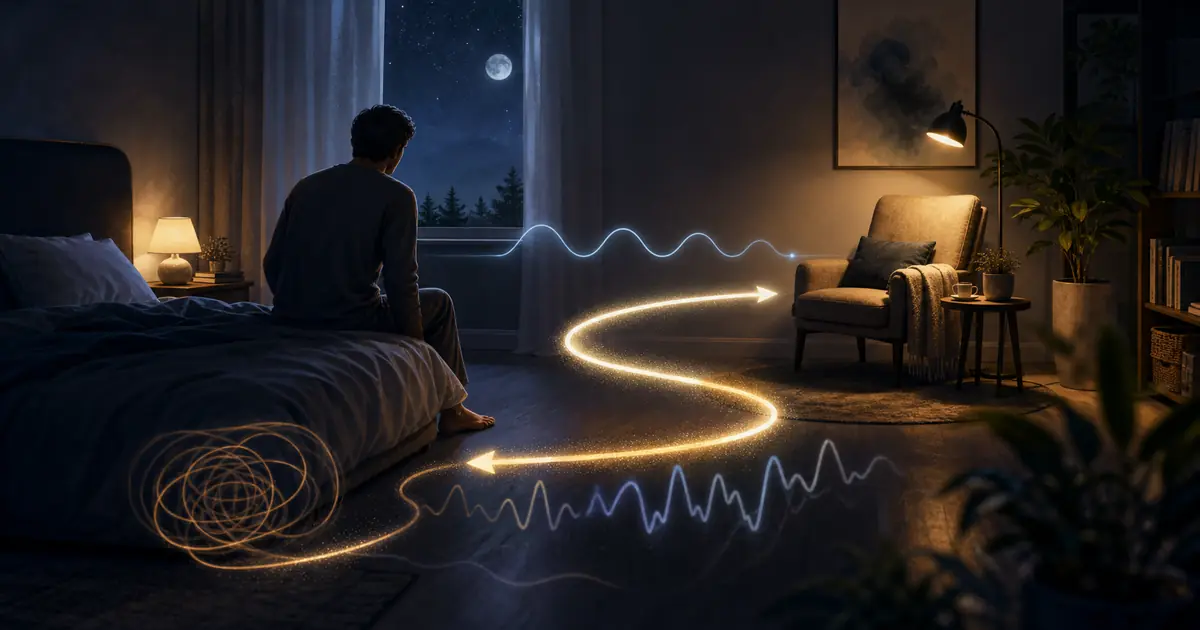
Should I Get Out of Bed If I Wake Up in the Middle of the Night?
Getting out of bed at 3am can help some insomnia patterns, but it can backfire if it becomes rigid or stressful. Here is how to adapt the CBT-I rule.
Read the articleBlog
Topics include CBT-I, sleep anxiety, waking up at 3am, sleep restriction, stimulus control, guided sleep exercises, meditation for insomnia, and what to do after a bad night.
CBT-I
Getting out of bed at 3am can help some insomnia patterns, but it can backfire if it becomes rigid or stressful. Here is how to adapt the CBT-I rule.
Read the article
Sleep Anxiety
Breathwork helps many people sleep, but for some it increases body monitoring and anxiety. Here is why it happens and what to try instead.
Read the article
CBT-I
Sleeping pills and CBT-I are not always either-or. Here is how they fit together, why CBT-I is first-line, and why any medication change should go through your doctor.
Read the article
CBT-I
Moving to the spare room during a bad spell is not failure. Done well, a sleep-only space can support stimulus control. Done as escape, it can spread the anxiety.
Read the article
CBT-I
Most people see meaningful change from CBT-I within four to eight weeks, sometimes sooner. Here is a realistic timeline and why the first week can feel harder.
Read the article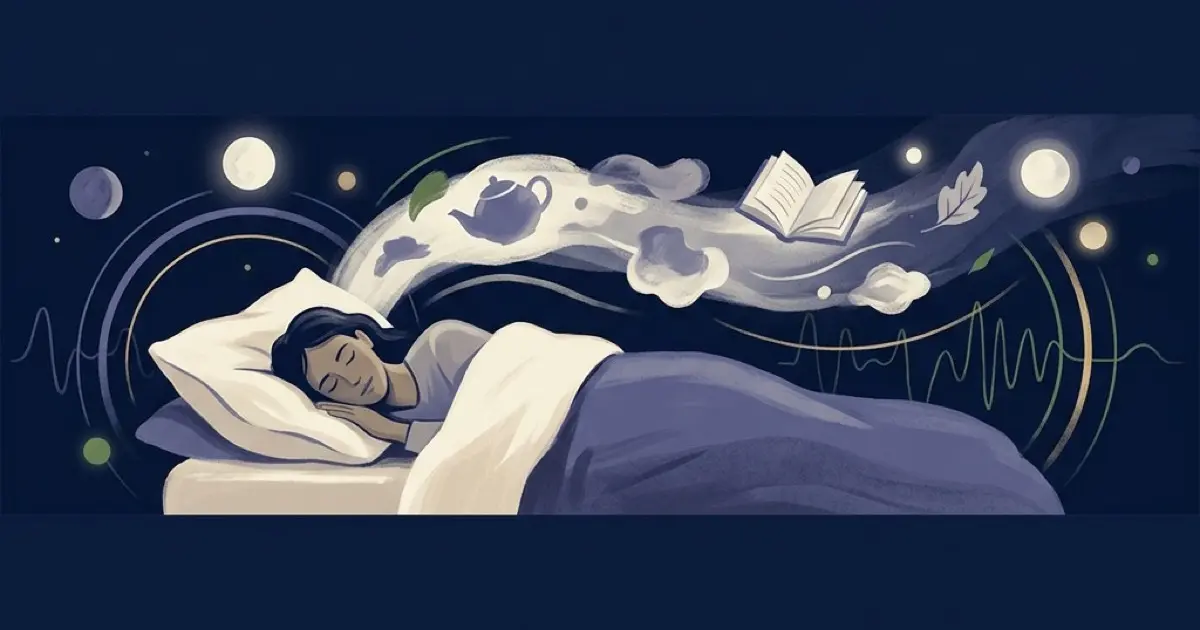
Sleep Techniques
Cognitive shuffling is a simple mental trick that gives a busy mind random, harmless images to follow, mimicking the drifting thoughts of falling asleep.
Read the article
Sleep Anxiety
A few good nights, then a bad one and the fear floods back. This relapse pattern is normal in insomnia recovery and does not mean you are back to square one.
Read the article
Sleep Anxiety
Sleep trackers promise reassurance but often deliver the opposite: more checking, more worry, and a new habit of chasing a perfect score instead of sleeping.
Read the article
Sleep Anxiety
Doing the math at 3am, counting how many hours are left, is one of the fastest ways to wake yourself up. Here is how to break the calculating habit.
Read the article
Conditioned Arousal
You were tired all evening, then at bedtime you feel suddenly alert. This second wind is usually your body clock and a missed sleep window, not a sign you cannot sleep.
Read the article
Conditioned Arousal
Exhausted in body, buzzing in mind. The tired-but-wired feeling is usually a stress response keeping you in alert mode when you most want to switch off.
Read the article
CBT-I
Even when stress started your insomnia, the sleep problem often takes on a life of its own. CBT-I targets the habits that keep it going, so it helps regardless of the original trigger.
Read the article
Sleep & Lifestyle
A drink can help you fall asleep but it fragments the second half of the night, which is why a glass or two often leads to wide-awake 3am wakings.
Read the article
Sleep & Lifestyle
Caffeine lingers far longer than most people think, blocking the sleep signal for hours. Here is how it feeds insomnia and the simple timing change that helps.
Read the article
Sleep & Lifestyle
Sleeping in on weekends feels like a reward, but it shifts your body clock and drains sleep pressure, which is why Sunday and Monday nights so often fall apart.
Read the article
Sleep Recovery
After a bad night, what you do the next day decides whether it stays a one-off or trains your body into a harder pattern. Here is how to recover without feeding insomnia.
Read the article
Night Wakings
Waking at 4 or 5am and not getting back to sleep has a few common causes, from body-clock timing to too much time in bed. Here is how to push your sleep later.
Read the article
Night Wakings
Waking after about four hours and staying awake is usually a mix of falling sleep pressure, a stress-timed cortisol rise, and the fear that turns a normal waking into a long one.
Read the article
Sleep Anxiety
Clock watching can make insomnia worse when it turns wakefulness into a countdown. Here is what to do instead, without creating another strict sleep rule.
Read the article
CBT-I
Stimulus control is a CBT-I tool that helps the bed become a cue for sleep again. Here is how it works, when it helps, and how to adapt it gently.
Read the article
Sleep Techniques
Meditation can help sleep for some people, but it can also increase body awareness, pressure, or anxiety at night. Here is how to adjust the practice.
Read the article
Sleep Supplements
Sleep can feel worse after stopping melatonin, but true withdrawal or rebound insomnia appears uncommon. Learn what may be happening and what to do next.
Read the article
Sleep Habits
Naps can help after a rough night, but they can also reduce sleep pressure and make the next night harder. Here is how to nap without feeding insomnia.
Read the article
CBT-I
Sleep restriction therapy sounds strange, but reducing time in bed can rebuild sleep pressure and help the bed feel like a place for sleep again.
Read the article
Sleep Quality
Waking up tired after 8 hours can come from poor sleep quality, fragmented sleep, circadian timing, stress, alcohol, sleep apnea, or trying to measure sleep only by duration.
Read the article
Insomnia Patterns
If you feel sleepy on the sofa but wide awake in bed, your brain may have learned that the bed is a place for effort, monitoring, and pressure instead of sleep.
Read the article
Night Protocols
When your mind will not stop at night, the goal is not to force blankness. Use a simple plan that lowers arousal and gives the mind a safer place to land.
Read the article
Sleep Anxiety
Trying harder to sleep often increases pressure, monitoring, and arousal. Here is why insomnia feeds on effort and what to do instead.
Read the article
Sleep Anxiety
Waking up at 3am with anxiety is often a mix of normal night waking, stress arousal, lighter sleep, and fear of not sleeping. Cortisol can be part of the story, but it is rarely the whole answer.
Read the article